
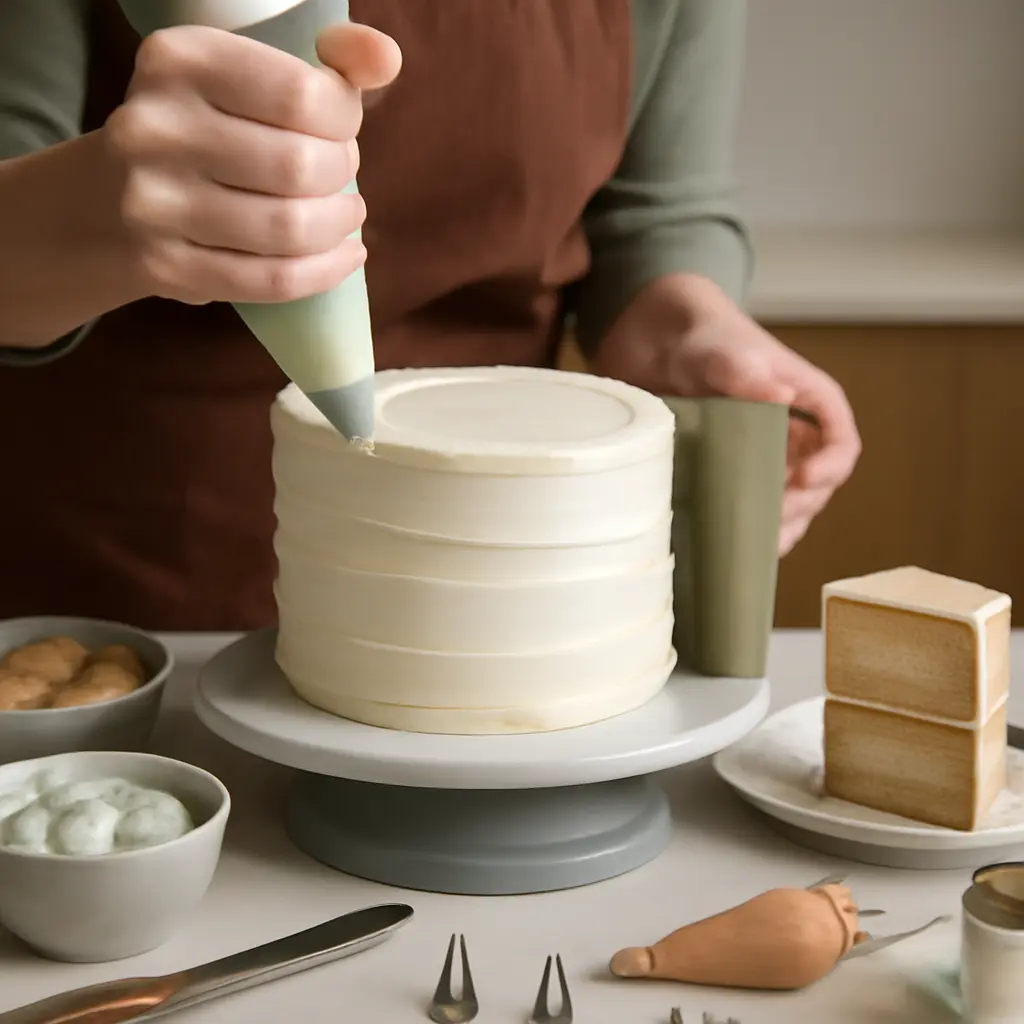
Introduction: Why Frosting Still Matters in 2026
Silky texture and stable hold are the two traits every baker chases. In 2026, the basics haven't changed, but the shortcuts, science-backed tweaks, and lifestyle trends have evolved. This article pulls back the curtain on the little-known methods pro bakers often keep to themselves while also showing how a simple metric like a Casino overview rating can help you think about consistency, scoring, and risk management in your baking decisions.
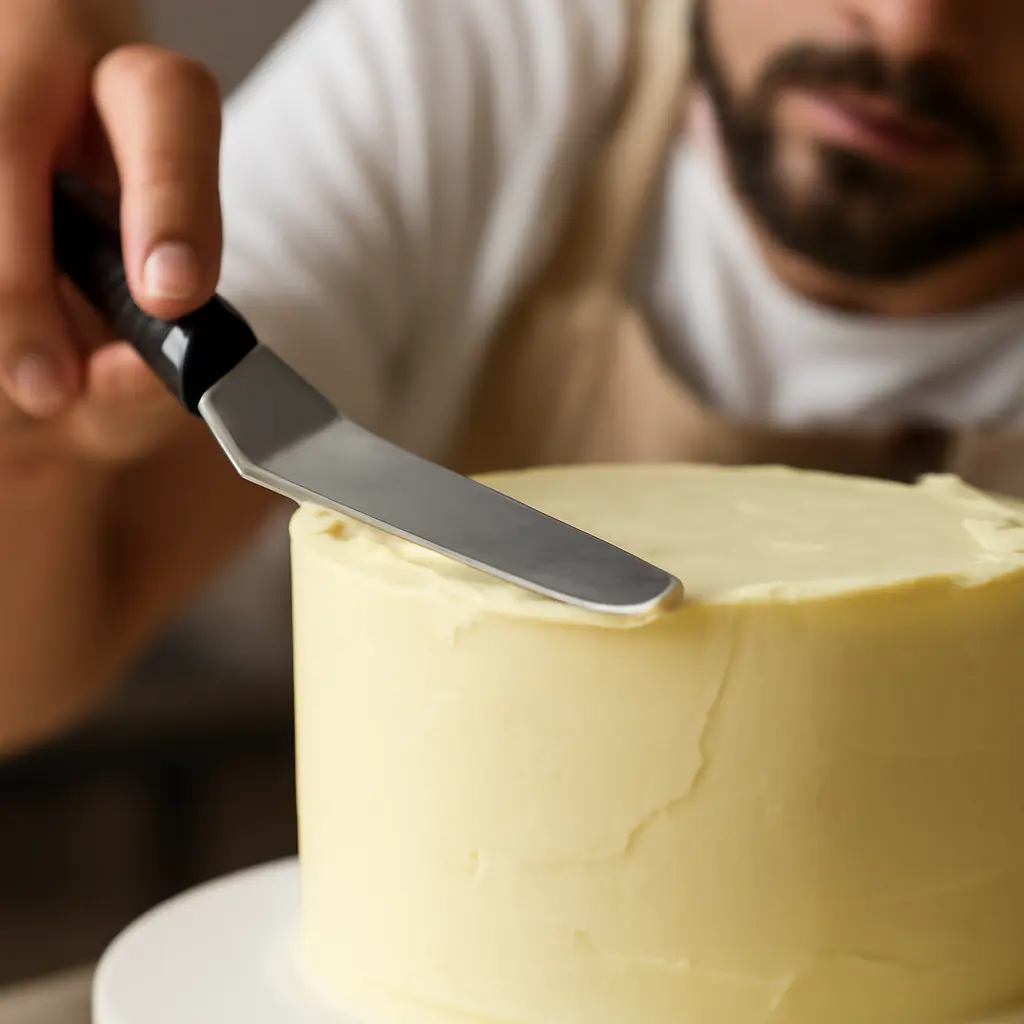
Whether you're posting on a cake forum, testing recipes with friends, or building an online bakery reputation, mastering frosting is the fastest route to reliably beautiful cakes. Below you'll find step-by-step tips, time-saving techniques, troubleshooting, a compact scoring system inspired by a Casino overview rating mindset, and the top 2026 trends you can adopt tonight.
Core Principles Every Expert Follows
Before any technique, pros rely on a handful of constants: ingredient quality, temperature control, and correct mixing. Treat these three as non-negotiable. If one is off, the frosting will betray you no matter how patient you are.
Ingredient Essentials
Use real butter or a high-quality shortening, fresh confectioners’ sugar, and, when applicable, pasteurized eggs. When a pro mentions emulsifiers or stabilizers, they usually mean lecithin, a pinch of xanthan gum, or cornstarch to fix split frostings. Think of these like the "house edge" in a casino — a small, consistent advantage that prevents collapse.
Temperature and Timing
Room temperature butter and chilled bowls are both tools. The trick is to manage thermal shock: if butter is too warm, it separates; too cold, it won't whip. An approach borrowed from a Casino overview rating mindset is to set thresholds — if your kitchen temperature is above 24°C (75°F), alter ratios or chill components.
Step-by-Step: Building a Silky, Stable Frosting
Below is a practical ordered workflow pros use. Follow each step and treat it like a mini experiment — record outcomes and refine.
- Measure precisely — use a scale for butter and sugar.
- Condition fats — bring butter to a soft, spreadable state, not melty.
- Use slow additions — add sugar in thirds to incorporate without dust.
- Emulsify with liquid — add cream or milk by teaspoon to reach silky texture.
- Chill if needed — short 10-minute chill saves you from runny failures.
Every step above can be prioritized based on a quick assessment score — much like a Casino overview rating assigns a concise score to options. Score your environment, ingredients, and time, then pick the most robust approach.
Quick Fixes Pros Won't Tell You
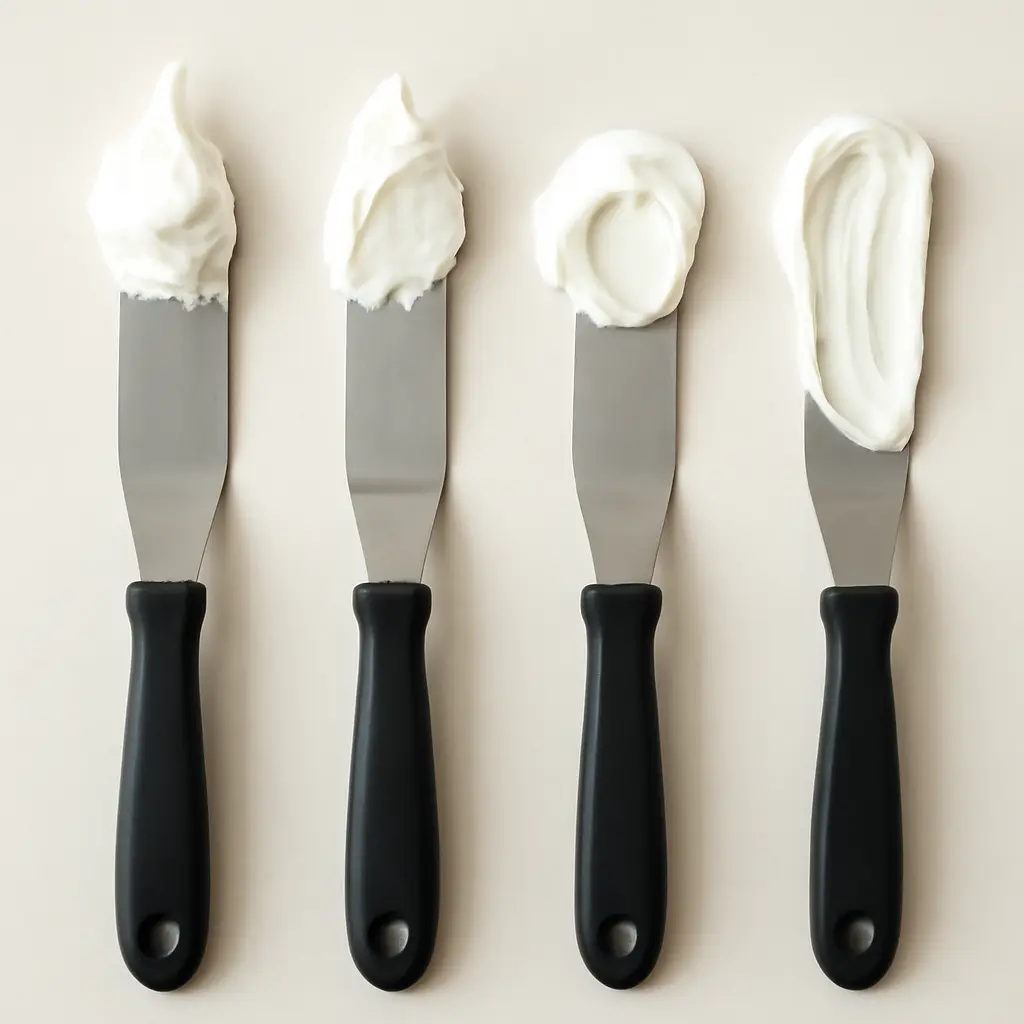
When a frosting splits or is too stiff, pros use quick, reversible fixes. These are the backstage tricks that save showtime.
- Split frosting: Whisk in a tablespoon of boiling water or warm cream a teaspoon at a time to re-emulsify.
- Too stiff: Add 1–2 teaspoons of neutral-flavored oil or light corn syrup for softness without losing hold.
- Too soft: Chill the bowl for 8–12 minutes, then re-whip at low speed.
- Grainy texture: Sift the sugar or use a hand blender very briefly to smooth sugar crystals.
These fixes are like hedging in gambling — small adjustments to bring outcomes back to the safe zone. If you want a framework for when to gamble on a dramatic flavor or when to play it safe, a personal Casino overview rating for each batch (scale 1–10) helps decide whether to push boundaries or maintain consistency.
Frosting Types: Quick Comparison
Use this simple table to choose a frosting by priority: taste, stability, and speed. The table gives a snapshot rather than a definitive rule.
| Frosting | Silky Score | Stability | Best Uses |
|---|---|---|---|
| Swiss meringue buttercream | 9/10 | 7/10 | Wedding cakes, refined finishes |
| American buttercream | 7/10 | 8/10 | Layer cakes, cheap-outs |
| Ganache | 10/10 | 6/10 | Drips, glazes, ganache-covered cakes |
| Stabilized whipped cream | 8/10 | 5/10 | Light finishes, fresh fruit cakes |
Notice how the table balances trade-offs. In a forum, when someone asks whether to pick speed or sheen, refer to the table and suggest a quick Casino overview rating to assess risk tolerance for the event.
Time-Saving Techniques Without Compromising Quality
Smart bakers use methods that preserve quality while saving minutes. Here are tested shortcuts:
- Batch frosting — make a large batch and refrigerate; re-whip briefly before use.
- Partial chilling — chill only the bowl or beaters between steps to control temperature.
- Tool prep — premeasure and line up piping tips; 10 minutes saved per cake adds up fast.
When time is limited, score your options with a quick mental Casino overview rating: if the rating is low (2–4) for a risky technique, choose the safe shortcut. If it's high (8–10), experiment.
Troubleshooting Cheat Sheet
When you hit trouble, follow this compact diagnostic checklist in order. It’s what many pros do without thinking.
- Check temperature — butter vs. room, bowl temperature.
- Check sugar — sifted, fresh, correct particle size.
- Check liquid — too much or too little changes emulsion.
- Re-emulsify — warm liquid additions and slow speed re-whip.
If you document outcomes, you'll develop a personalized scoring system. Forums thrive on this sort of data — try announcing a batch’s Casino overview rating when posting photos to prompt targeted advice.
Trends for 2026: What Will Be Big This Year
Expect crossovers between visual design, sustainability, and tech. Popular themes include:
- Plant-based stabilizers replacing some butter in hot climates.
- Minimalist finishes that prioritize texture over color.
- AI-assisted recipes that tweak ratios for humidity and altitude in real-time.
Many forum threads will include comparative reviews where contributors assign a Casino overview rating to new methods, helping hobbyists sift signal from noise fast.
How to Share Results Effectively in Forums
When you post, include measured data: room temperature, grams of butter, sugar type, and a quick scoring like "Stability 8/10, Silky 9/10, Casino overview rating 7/10." That small structure gets more useful feedback than a vague "it failed."
If you want to explore why some rules are outdated, read about decorating rules for ideas on modern fixes and pitfalls.
Conclusion: Build Your Own Frosting Rating System
In 2026, frosting mastery is more accessible than ever if you combine classic technique with smart evaluation. Create a simple personal checklist and include a compact Casino overview rating for each batch to decide whether to iterate or publish. Use the techniques above — precise measurement, temperature control, emulsifiers, and the quick fixes — and you'll save time while producing reliably beautiful, stable frostings.
Finally, remember that forums are collaborative. Share your detailed results and your frosting’s Casino overview rating to help the community refine collective knowledge and move everyone toward better cakes.



To leave a comment, please sign up or log in
Log in / Sign up