
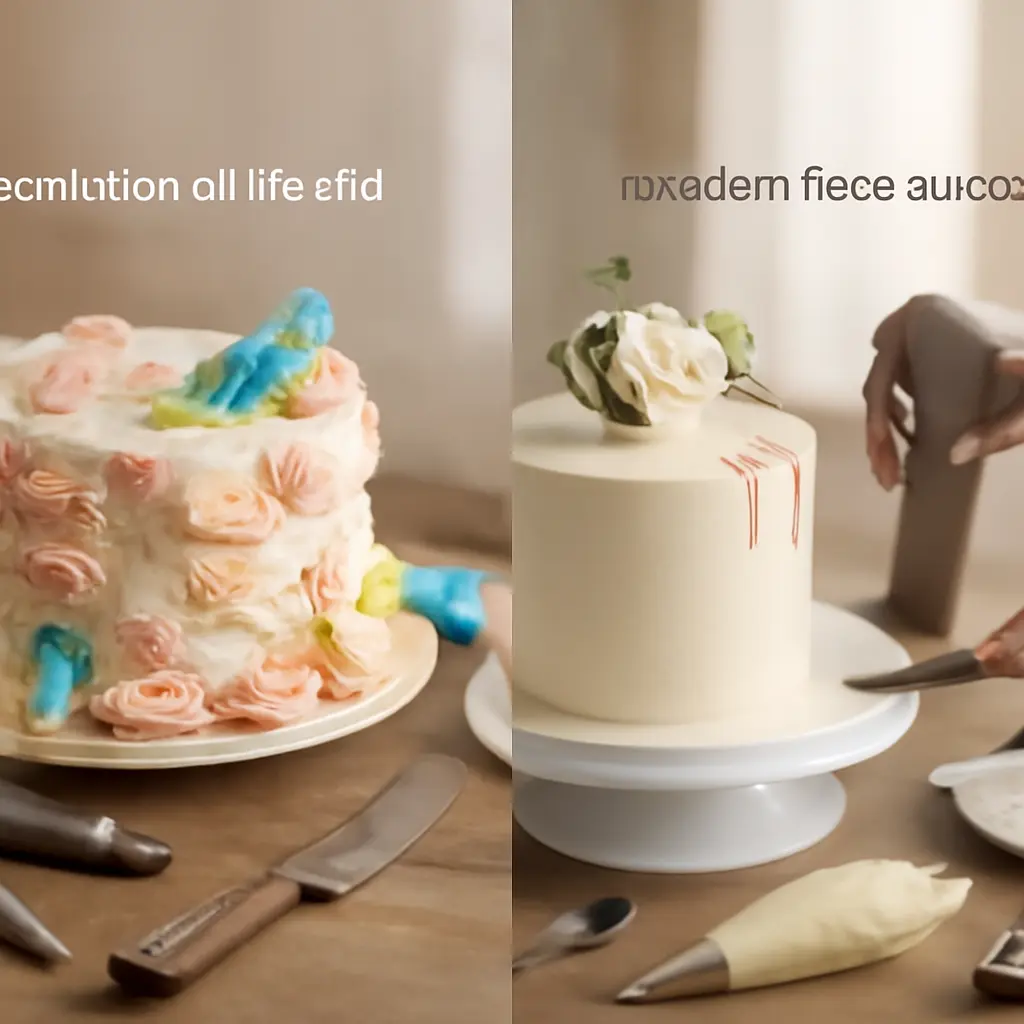
Why Traditional Cake Decorating Rules Often Let You Down
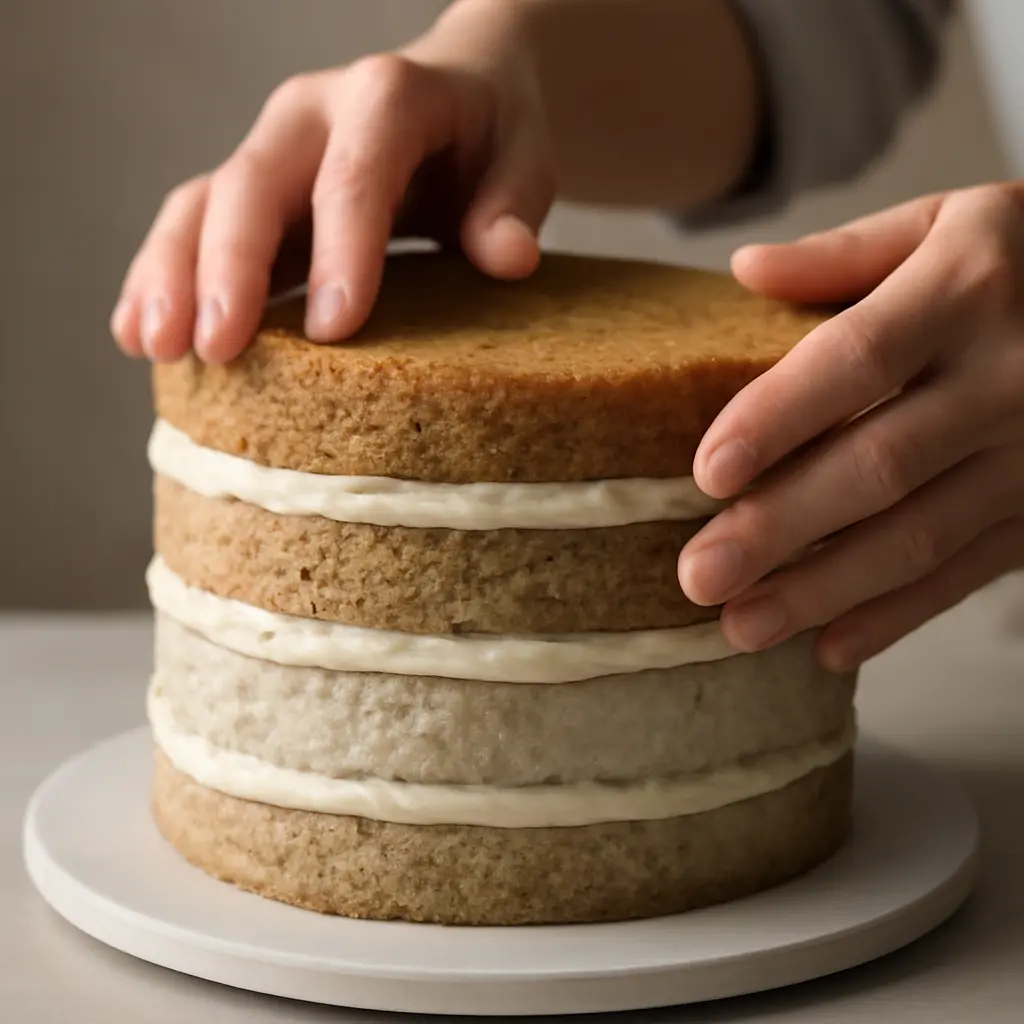
Many home bakers and forum regulars learned cake decorating from the same handful of rules: chill the whole cake, never overwork buttercream, and always use a stiff royal icing for fine details. Those rules worked for an earlier generation of home kitchens, but they fail often today because they ignore context: climate, ingredient quality, and the goal of the cake. On community boards and even in a Casino overview rating style of comparison — where reliability and transparency matter — we can score techniques and choose the most trustworthy methods for consistent results.
Common pitfalls from rigid rules
Traditional directives can be deceptively absolute. For example, the old advice to freeze a cake before crumb-coating aims to stop crumbs, but it often causes condensation and a gummy crumb once the cake returns to room temperature. In technical terms, a crumb coat is a thin layer of icing to lock crumbs in place, and the modern fix is to apply it at cool room temperature and refrigerate briefly, not freeze. In many of the best community threads and in analogies to a Casino overview rating, that nuance separates a high-score method from a mediocre one.
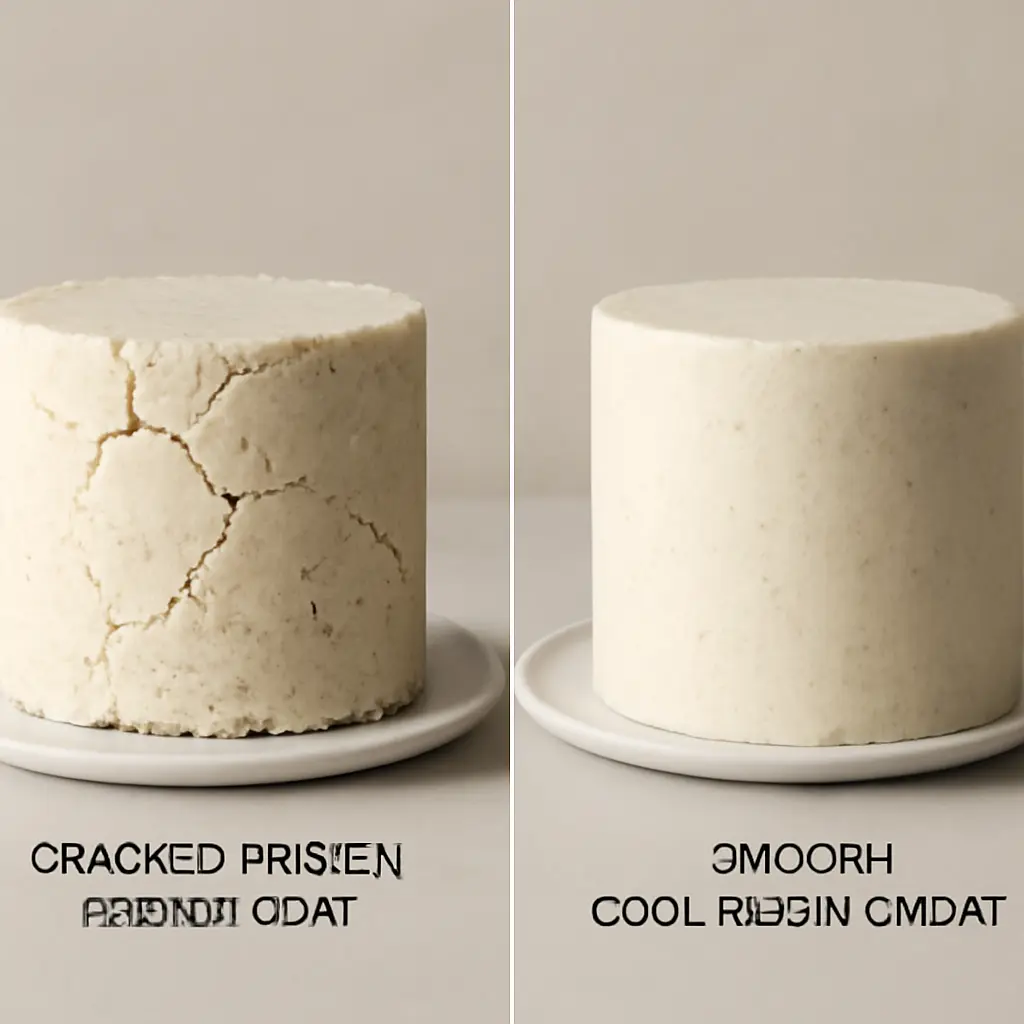
Other pitfalls include using one-size-fits-all buttercream recipes and relying on a single piping tip size for all decorations. A buttercream intended for bench-scraping will behave very differently from one tuned for delicate piping. Community feedback — much like a reliable Casino overview rating system — helps identify which recipes are robust across conditions.
Modern fixes that work reliably
Adaptation is the core of modern cake decorating. Instead of unquestioned rules, prioritize principles: temperature control, moisture balance, and ingredient function. For instance, switch to a stabilized Swiss or Italian meringue buttercream when you need a versatile frosting that holds up in warmer spaces. This approach mirrors how a Casino overview rating weighs multiple factors (security, payouts, transparency) rather than a single metric.
- Adjust recipes for humidity and oven performance rather than following fixed instructions.
- Test colors on a small scrap of icing to gauge staining and drying times.
- Use flexible techniques like ganache under a fondant for a cleaner finish: a smooth shell is easier to decorate than a soft buttercream surface.
When troubleshooting, frame your approach like an evaluator: gather data, compare past results, and refine. On cake forums this is the equivalent of building a consistent Casino overview rating for a technique — you note wins and failures, then give a method a reputation based on repeated outcomes.
Practical tools and techniques
Reliable decorating depends on the right tools and how you use them. Here are essential techniques that replace brittle rules:
- Temperature layering: Cool the cake only until the buttercream sets, then move to final decorating at room temperature.
- Piping bench tests: Practice piping with the exact batch you’ll use on the cake to avoid surprise consistency shifts.
- Structural thinking: Use dowels and stacked supports for tiered cakes instead of relying on chilled stiffness alone.
Approaching technique selection like a reviewer increases your success rate. On many forums, decorated cakes with a documented process score higher in trust — similar to how a good Casino overview rating builds confidence before committing real money or time.
Quick reference table: Old rules vs. modern fixes
Below is a practical comparison to help you choose appropriately. Treat the third column as a risk/reward score you might see in a community-rated system or a hypothetical Casino overview rating for methods.
| Traditional Rule | Why It Fails | Modern Fix (Trust Score out of 10) |
|---|---|---|
| Freeze cake before decorating | Causes condensation, soggy crumb, and uneven textures | Cool briefly (5–15 min) instead — 8/10 |
| Use one buttercream for everything | Mixes functional profiles; piping fails or scraping smears | Match recipe to need: piping vs smoothing — 9/10 |
| Always use royal icing for detail | Too brittle for humid climates; cracks | Use sugar paste or tempered gum paste — 7/10 |
Step-by-step: A modern, reliable finishing workflow
Use this sequence to reduce surprises. Think of each step as a criterion in a reputation system, like recording variables that feed into a composite Casino overview rating for the recipe.
- Level and crumb-coat at cool room temperature.
- Refrigerate just until set (not frozen), then apply final coating.
- Practice color mixing on a test batch before the cake.
- Assemble decorations and attach with edible glue or a small dab of fresh buttercream.
- Store the finished cake according to its dominant ingredient (buttercream vs fondant).
Following a measured workflow reduces variability and makes your results more repeatable — which is what a sensible Casino overview rating aims to achieve for operators: predictable, verifiable performance.
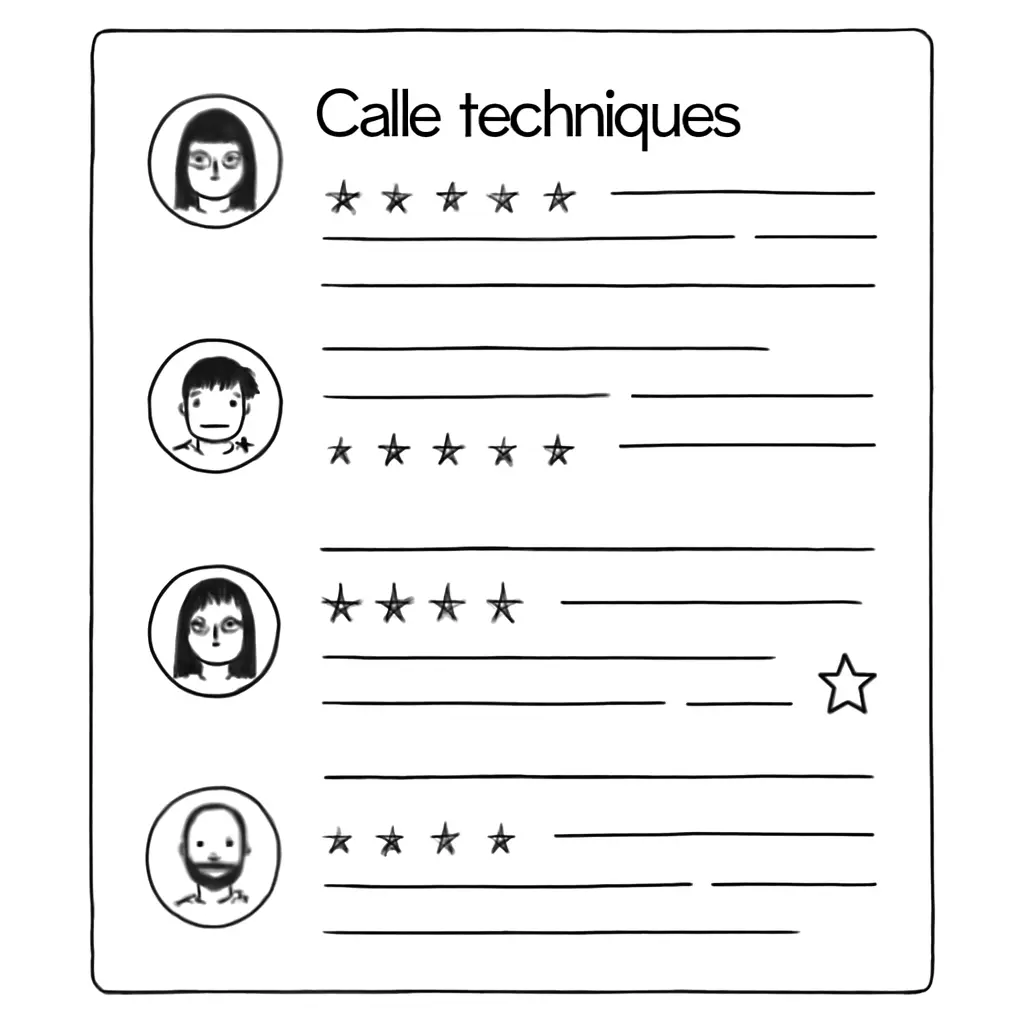
Forums are particularly useful for collecting the kind of data you need. When several users report success with a technique across different kitchens, that creates a de facto rating system. You can apply that same critical eye: weigh sample size, note environmental factors, and prefer methods with reproducible outcomes — the essence of any credible Casino overview rating.
Troubleshooting checklist
When a cake goes wrong, use a checklist approach rather than blaming a single rule. Here’s a compact guide that mirrors a diagnostic process used in many review systems.
- Is the texture wrong? Check oven calibration and ingredient temperatures.
- Is decoration sagging? Verify buttercream ratio and room temperature.
- Are colors bleeding? Confirm drying time and humidity control.
- Do details crack? Substitute with a flexible medium like gum paste.
Record each failure and fix on your forum profile. Over time you’ll generate a portfolio — essentially your own Casino overview rating for recipes and techniques that others can trust.
When to follow a rule — and when to adapt
Rules are shortcuts built from experience, but context decides whether they apply. Use rules as starting hypotheses and test them. If a rule consistently fails under your conditions, replace it with a documented alternative. Sharing those outcomes in a cake forum helps others and refines collective knowledge much like community-driven Casino overview rating guides refine their industry standards.
Ultimately, the best decorators combine respect for proven practices with the curiosity to tweak and measure. Treat every new trick like an experiment: set a baseline, change one variable, and record results. Over time you’ll curate a set of techniques that perform reliably across conditions — the kind of reputation that community members and any sensible Casino overview rating would recognize as high-quality.
Conclusion: Build a modern toolkit, not a rigid rulebook
Traditional cake decorating rules have value, but unquestioning adherence leads to predictable failures. Replace absolutes with adaptable principles: test, record, and share. Use your forum interactions to build a trustable scorecard for methods and recipes — just as a thorough Casino overview rating evaluates operators by multiple metrics. With a few modern fixes, careful documentation, and community feedback, you’ll consistently create beautiful, reliable cakes that survive transport, climate, and scrutiny.



To leave a comment, please sign up or log in
Log in / Sign up