
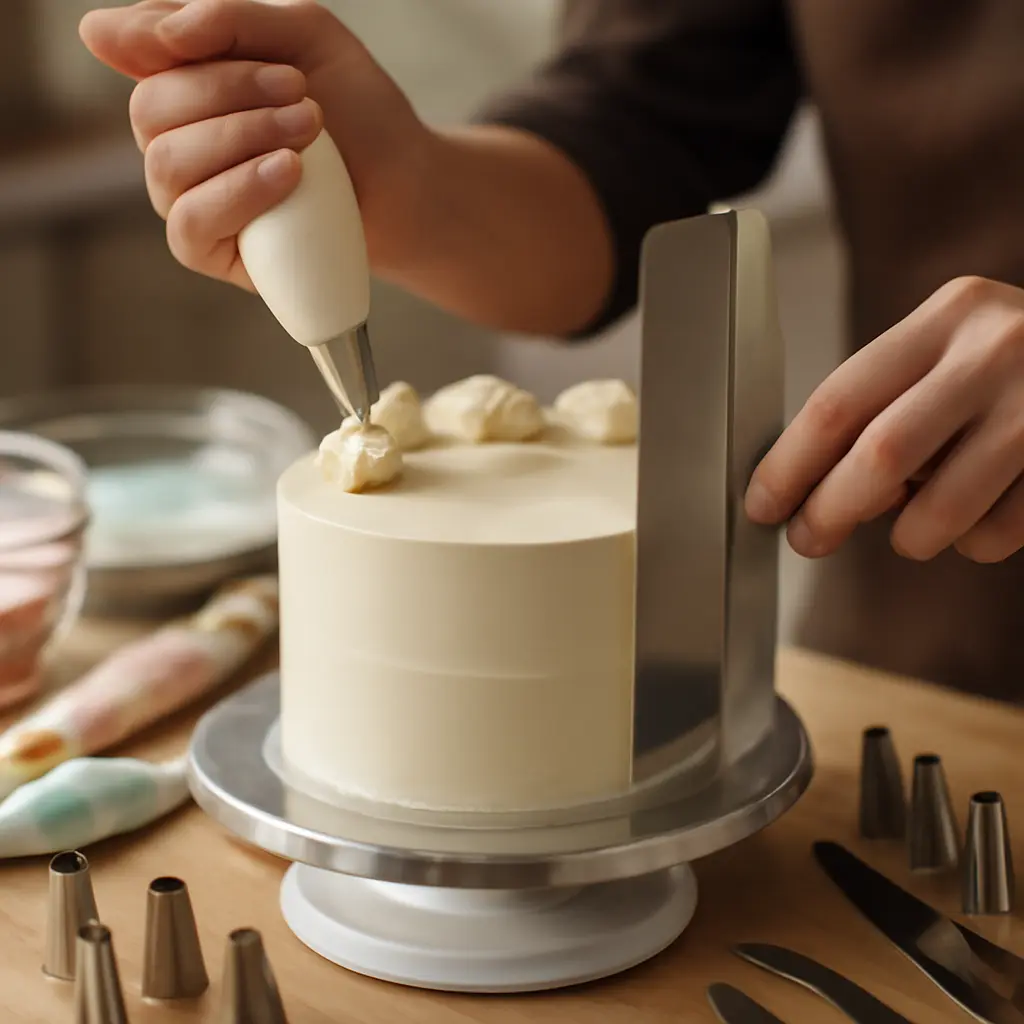
Introduction: Why buttercream is the secret weapon of cake decorators
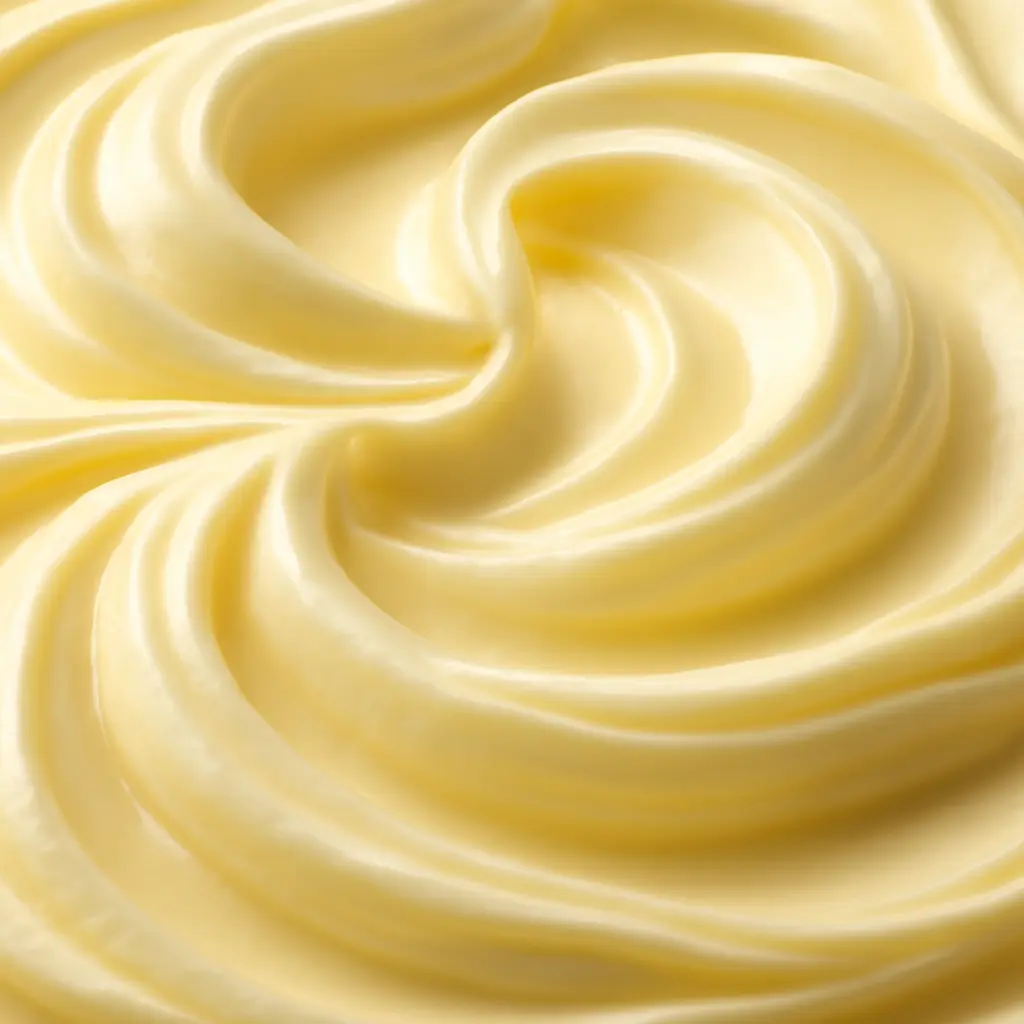
Every cake forum has that one thread where professionals share tips that seem too small to matter—until you try them. In reality, buttercream is where technique turns a good cake into a showstopper. Whether you're a hobbyist posting in a forum or running a decorated cake contest, understanding the nuances of buttercream makes a difference comparable to a trusted Casino overview rating—a consistent, transparent metric that changes how you evaluate outcomes.
What experts won't say out loud
Pros often avoid talking about seemingly trivial habits: the exact angle of the spatula, the single drop of lemon juice to cut sweetness, or how temperature affects piping. Those secrets are the same kind of inside knowledge that drives a dependable Casino overview rating—it's not about luck, it's about repeatable standards. Learning these hidden practices will improve both the finish and the shelf life of your cakes.
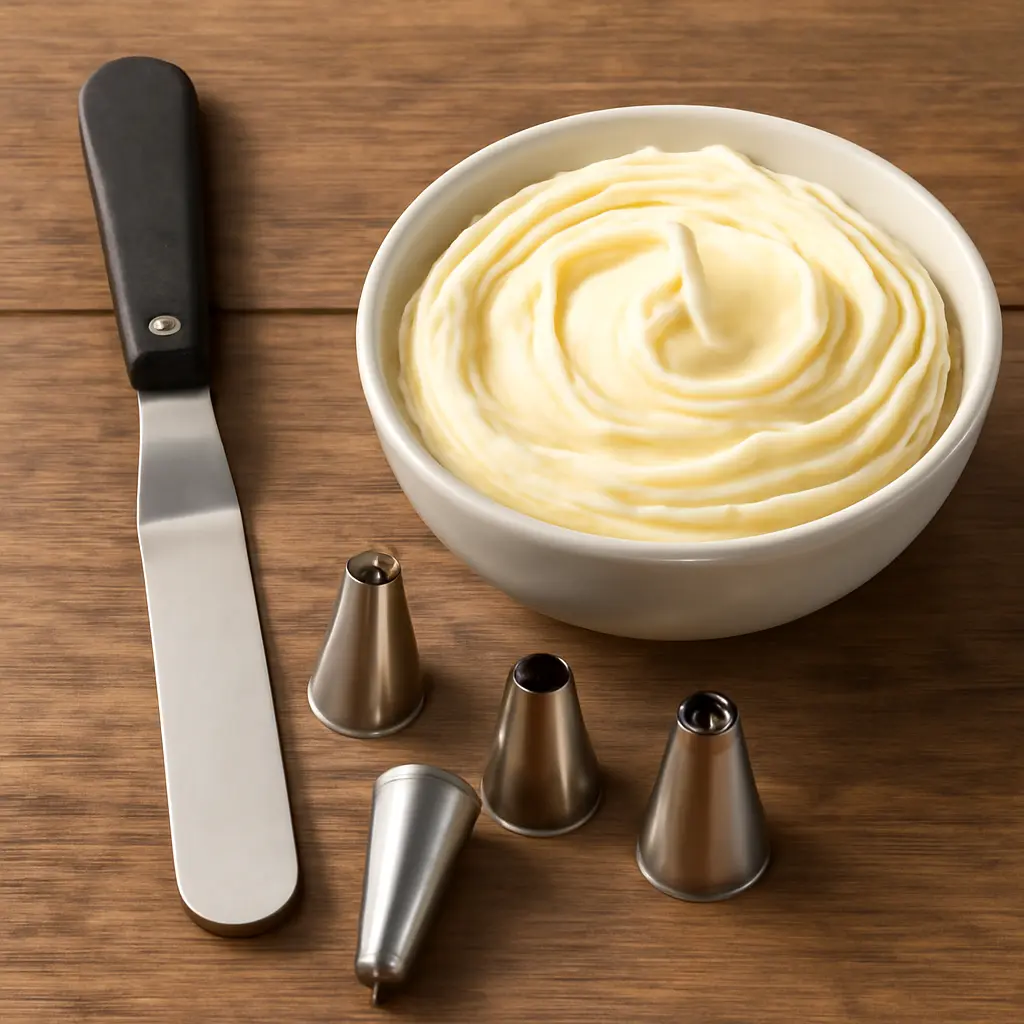
Start by mastering three core buttercream types: American buttercream (simple and sweet), Swiss meringue (silky and stable), and Italian meringue (complex but resilient). Each behaves differently at varying temperatures—think of them like entries in a rating system where a high Casino overview rating corresponds to predictable, replicable performance under scrutiny.
Essential gear and prep
Before you mix, set your environment. Keep butter at 65–68°F (18–20°C) for optimal whipped texture. Use a heavy mixer and chilled bowls for meringue-style buttercreams. These small controls are analogous to the calibration used to produce a reliable Casino overview rating: consistent inputs yield consistent outputs.
Step-by-step buttercream technique: from mixing to finishing
Below is a practical, numbered workflow so you can replicate professional results every time.
- Measure precisely: accurate weights beat cups for consistency.
- Start with room-temperature butter for American buttercream or cold for meringue-based recipes.
- For meringue butters, dissolve sugar completely when heating to avoid grainy texture.
- Whip until glossy peaks form; then add butter slowly to prevent separation.
- Chill briefly if the buttercream becomes too soft, then re-whip to desired consistency.
- Always perform a test pipe to check flow and hold before decorating the cake.
These steps are the "rules of the road" that lead to consistent judging results—much like the criteria behind a strong Casino overview rating influences player trust.
Common mistakes and how to avoid them
Even experienced bakers slip. The list below highlights errors that ruin otherwise good frosting.
- Overbeating buttercream—creates grainy texture and airiness that collapses.
- Adding liquid too quickly—causes separation and runny frosting.
- Piping with the wrong tip size—distorts final design and wastes time.
- Ignoring temperature shifts—what held at one temperature will flop in another.
- Not tasting for balance—too sweet or too salty masks the cake’s flavor.
Fixes are simple: rest the batch, correct with chilled butter or powdered sugar, and always keep a spare practice cake on hand for testing. Much like consulting a trusted Casino overview rating before placing a bet, these checks ensure your final presentation stands up to scrutiny.
Decorating finishes that look professional
Master these finishing tricks to create visually stunning but dependable cakes.
- True smooth finish: use an offset spatula and bench scraper, turning the cake while holding the scraper steady.
- Textured tops: create deliberate swirls using the back of a spoon for a rustic yet refined look.
- Sharp edges: perform a crumb coat, chill, then apply a second coat and freeze 5–10 minutes before final smoothing.
These techniques are reproducible—if you want to evaluate a decorator's work, treat the process like a rating system (a reliable Casino overview rating would value repeatability and clarity in judging criteria).
| Buttercream Type | Flavor Profile | Best Uses | Ease |
|---|---|---|---|
| American buttercream | Sweet, buttery | Layer cakes, simple piping | Easy |
| Swiss meringue | Silky, less sweet | Floral piping, smooth finishes | Moderate |
| Italian meringue | Stable, elegant | Hot climates, detailed work | Advanced |
Use this table as a quick reference when choosing a frosting method for competition or client work. Think of each entry as a component of a larger scoring rubric—akin to the elements that feed into a clear Casino overview rating.
Advanced troubleshooting and pro tips
If buttercream splits or becomes soupy, don't panic. Add a small cube of cold butter and whip on medium; or chill and re-whip in short bursts. For graininess, gently heat to dissolve sugar then cool and re-whip. These are the backstage repairs professionals prefer not to broadcast—similar to how operators refine a Casino overview rating behind the scenes to ensure accuracy for players.
When planning flavors, balance is key. Use acidic elements like fruit purée or citrus to cut sweetness and deepen complexity. Pairing is almost an art: rich chocolate cakes prefer Swiss or Italian bases, while vanilla sponge often benefits from a lighter American or Swiss buttercream. In forum discussions, contributors who cite consistent tasting notes and technical reasoning are the ones people trust—much like top listings with a reliable Casino overview rating attract attention.
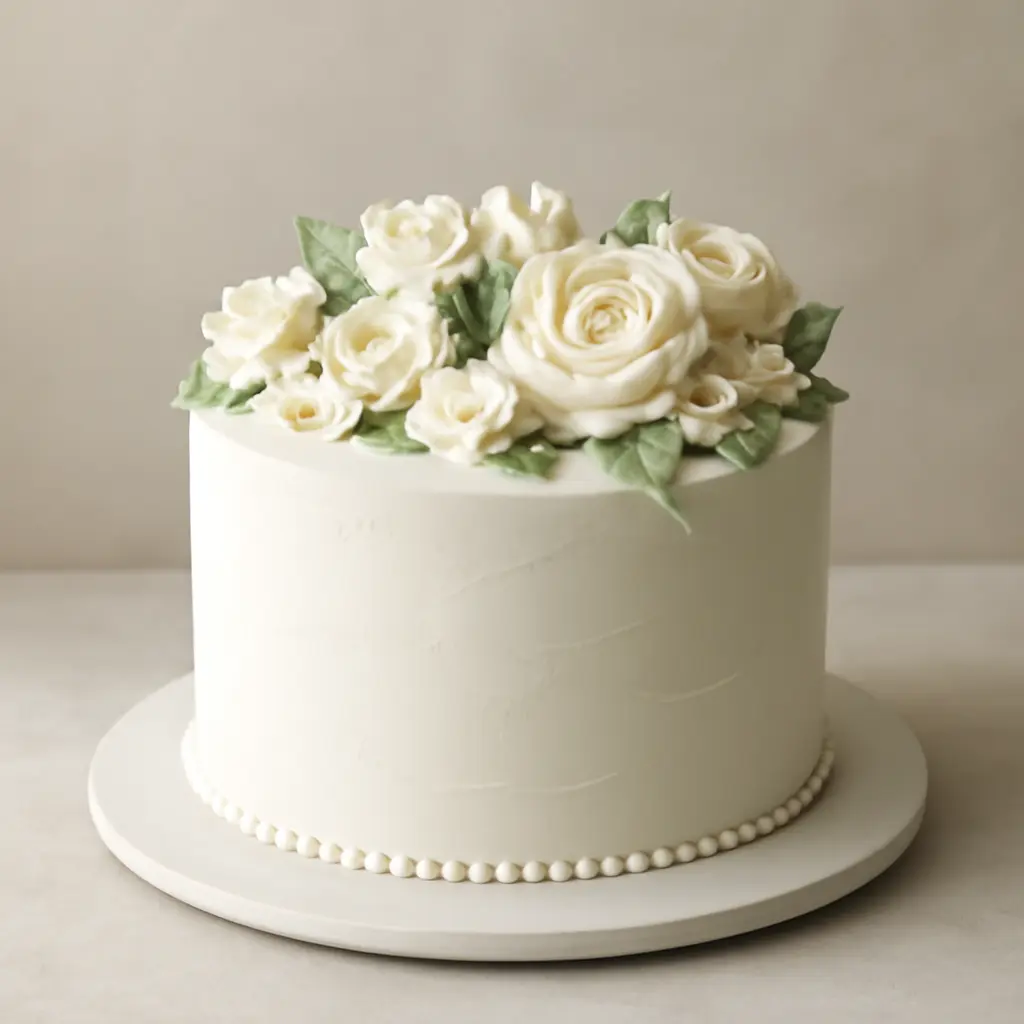
One underrated habit is documenting. Take a photo of your piping angle, record room temperature, and note the batch ratio. Over time you'll build a personal rating system—your own internal Casino overview rating—that tells you which techniques work for your kitchen environment.
Forum etiquette: sharing secrets without oversharing
In cake forums, transparency is valuable but so is context. Share recipes and steps, but include your environment notes and equipment specifics. When you see a trending technique that promises instant results, vet it against consistent outcomes—the same discipline used to validate a Casino overview rating. If you want deeper reads on why some traditional advice fails, see the short guide on Traditional rules for modern fixes.
Conclusion: Make buttercream your competitive edge
Buttercream is not just frosting—it's a performance metric. Practice the steps, avoid the common pitfalls, and use systematic testing to improve results. By treating decoration like a scored discipline—much like trusting a clear Casino overview rating—you transform subjective praise into objective improvement. Share your process, refine your technique, and the forum community will reward consistent, reproducible excellence.



To leave a comment, please sign up or log in
Log in / Sign up