
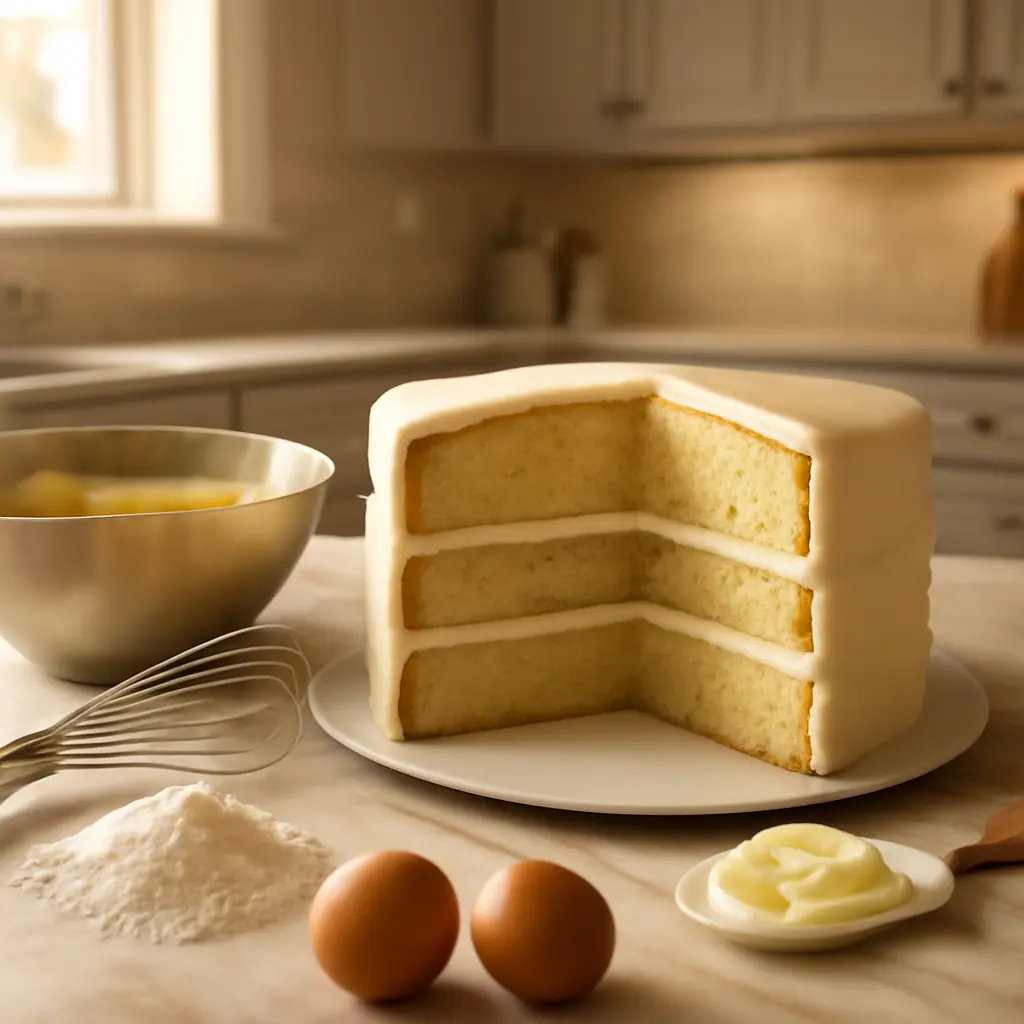
Why Baking Myths Keep Circulating
Spend any amount of time on a forum about cakes and you'll notice the same pieces of advice repeated endlessly: never open the oven, always sift your flour, never use a box mix for a special occasion. These mantras get passed from one baker to another with such conviction that questioning them feels almost heretical. But behind many of these claims, the actual science tells a different story.
In the cake baking community — especially across busy cake forums — misinformation spreads quickly because baking feels unpredictable. When a cake falls flat or a frosting breaks, bakers search for answers, and myths fill that gap. Much like consulting a casino overview rating before choosing a platform, smart bakers learn to evaluate every tip against reliable evidence before committing to it. This article breaks down eight persistent myths and replaces them with facts you can trust.
The Real Science Behind Common Batter Myths
Myth 1: Overmixing Batter Always Ruins Your Cake
This is perhaps the most repeated warning in baking circles. The concern is that overmixing develops too much gluten, resulting in a tough, dense crumb. While there is some truth here, the reality is far more nuanced than a blanket rule suggests.
The impact of mixing depends heavily on the type of flour you're using and the mixing method. Cake flour has significantly less protein than all-purpose flour, making it far more forgiving. Additionally, the reverse creaming method — where butter is mixed into dry ingredients first — coats flour particles in fat and limits gluten development, allowing for longer mix times without negative effects. Many professional bakers mix their reverse-creamed batters for several minutes to achieve an exceptionally smooth, velvety texture.
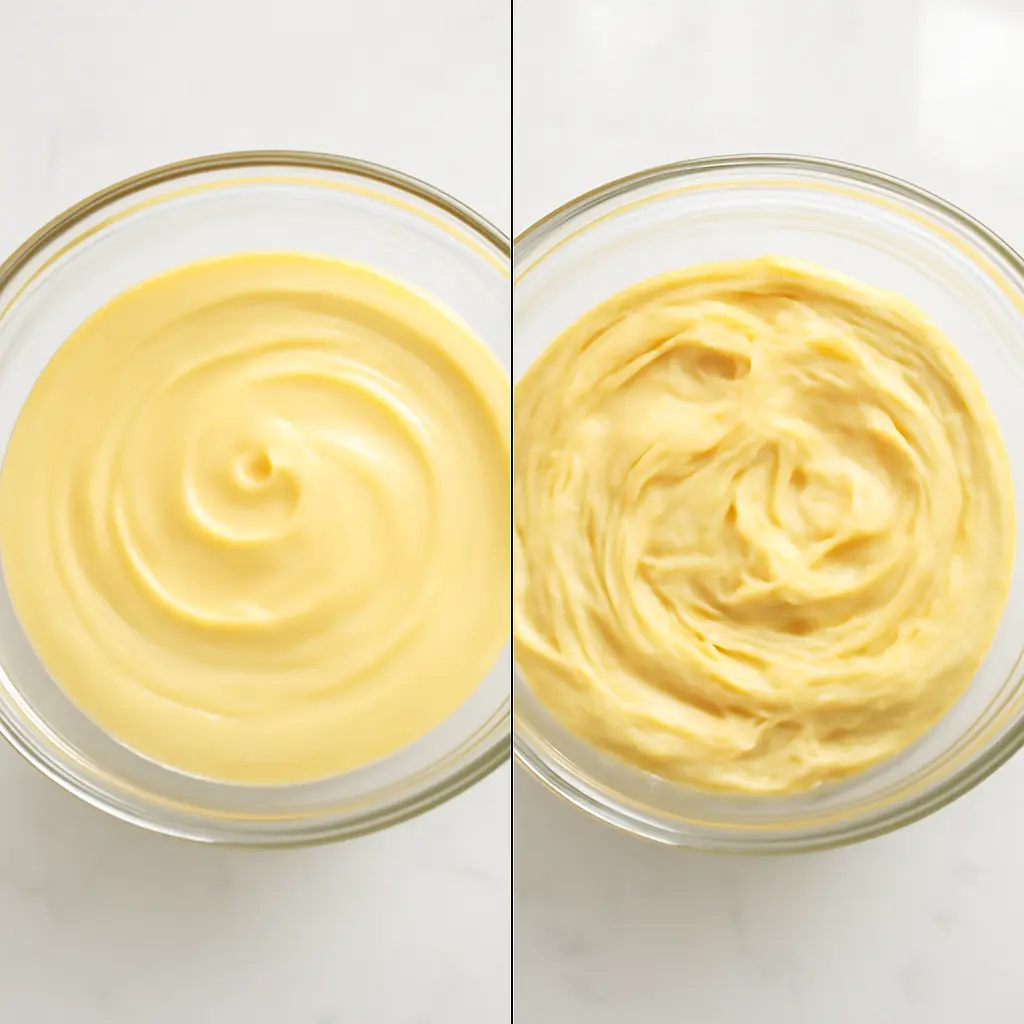
The key takeaway is that context matters. A delicate sponge cake requires a gentle folding technique, while a sturdy butter cake can handle more vigorous mixing. Rather than following a rigid rule, learn how different batters should look and feel at each stage. This kind of evidence-based approach mirrors how a thorough casino overview rating separates fact from marketing claims — by examining actual performance data rather than relying on surface-level impressions.
Myth 2: You Must Sift Flour Every Single Time
Sifting flour was essential decades ago when commercially available flour often contained lumps, debris, and inconsistent particle sizes. Modern milling technology has largely eliminated these problems. Today's store-bought flour is already finely ground and remarkably consistent in texture.
That said, sifting still has its place. It's beneficial when you need to combine multiple dry ingredients evenly, or when working with cocoa powder that tends to clump aggressively. For angel food cakes and other airy recipes where you fold flour into whipped eggs, sifting helps achieve a lighter result. But for your standard butter cake or cupcake recipe, a simple whisk through the dry ingredients achieves the same effect with far less effort.
Myth 3: Opening the Oven Door Will Collapse Your Cake
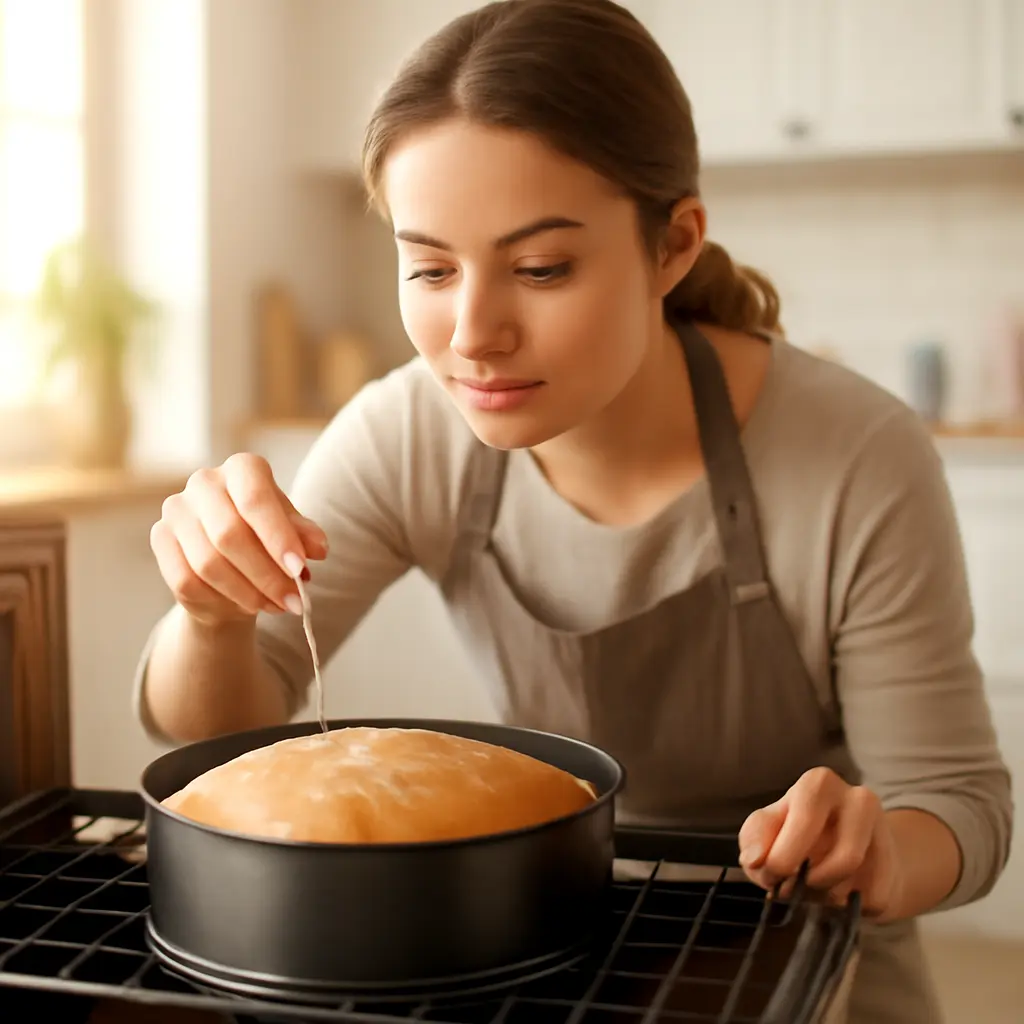
This myth terrifies new bakers into treating their oven like a sealed vault. The fear is that a sudden temperature drop will cause the cake to deflate instantly. In reality, briefly opening the oven door during the last third of baking to check doneness has minimal impact on most cakes.
The critical window is during the first half of baking, when the cake's structure is still setting. Once the batter has risen and the proteins have begun to firm up, a quick peek won't cause disaster. Professional bakers routinely check their cakes and rotate pans for even baking. If you approach baking the way a reliable casino overview rating approaches platform assessment — with measured, informed actions rather than superstitious avoidance — you'll get consistently better outcomes.
Frosting and Decorating Myths That Hold You Back
Myth 4: Buttercream Must Be Made with Powdered Sugar Only
American buttercream made with powdered sugar is the version most home bakers know, but it's far from the only option — and not necessarily the best. Swiss meringue, Italian meringue, and French buttercream all use granulated sugar and produce a smoother, less cloyingly sweet result.
The reason powdered sugar dominates home recipes is convenience: you simply beat it into softened butter. But this shortcut comes with trade-offs. Powdered sugar contains cornstarch, which gives the frosting a slightly grainy mouthfeel and an intensely sweet flavor. For bakers looking to elevate their work, mastering a comprehensive guide that covers meringue-based methods will unlock an entirely new level of quality.
- American buttercream — Butter plus powdered sugar. Easiest to make but sweetest and least smooth.
- Swiss meringue buttercream — Egg whites and granulated sugar heated over a double boiler, then whipped with butter. Silky and less sweet.
- Italian meringue buttercream — Hot sugar syrup poured into whipped egg whites, then butter added. Most stable in warm environments.
- French buttercream — Egg yolks plus sugar syrup plus butter. Richest flavor with a custardy quality.
Choosing the right buttercream is a decision that deserves the same careful evaluation you'd give a casino overview rating — weigh the pros and cons of each option against your specific needs, skill level, and the occasion at hand.
Myth 5: Fondant Always Tastes Terrible
Fondant has earned a bad reputation, and cheap commercial fondant is largely to blame. Mass-produced fondant prioritizes workability and shelf life over flavor, often resulting in a waxy, overly sweet coating that most people peel off and discard before eating.
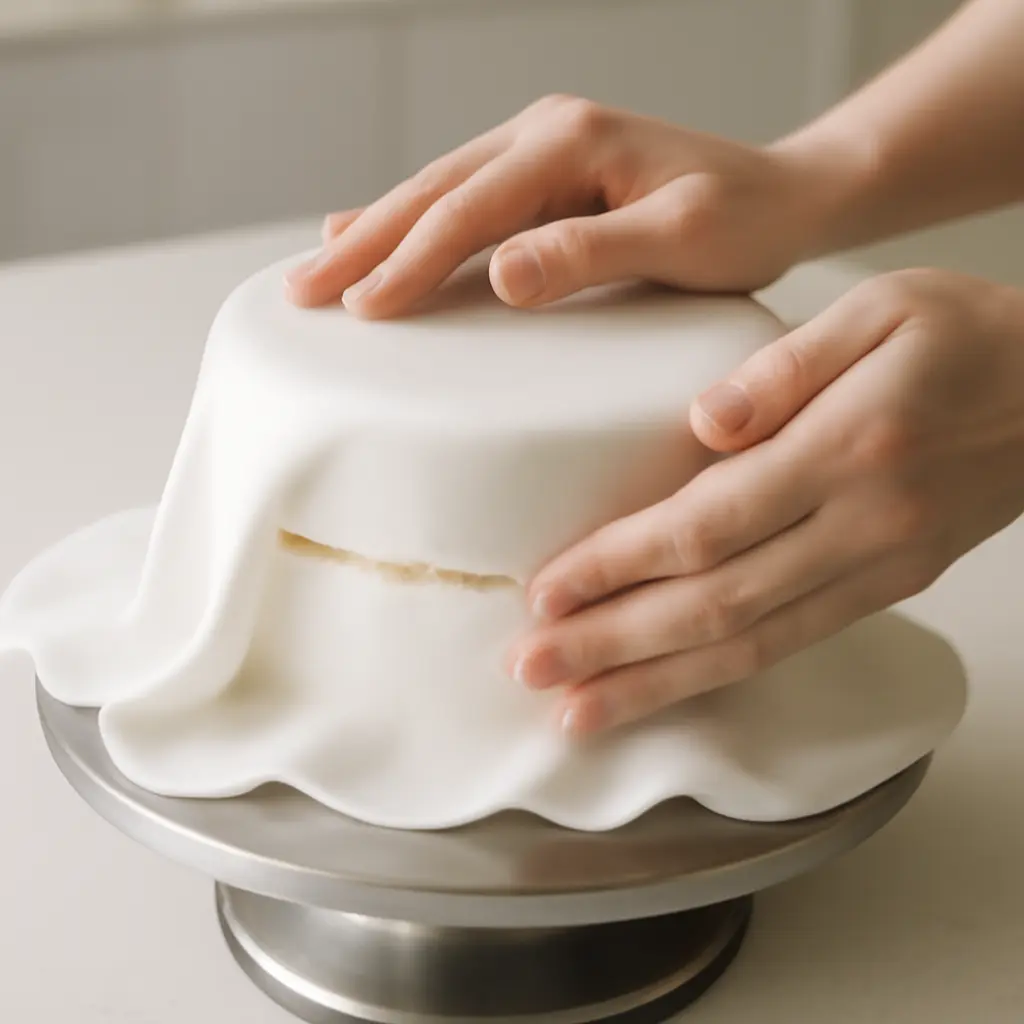
However, homemade marshmallow fondant and premium commercial brands taste dramatically different. Marshmallow fondant has a pleasant vanilla flavor and a softer texture that most people actually enjoy. If you're deciding between coverings for your next project, a detailed comparison will help you make an informed choice rather than dismissing an entire technique based on outdated assumptions.
Myth 6: Professional-Looking Cakes Require Expensive Tools
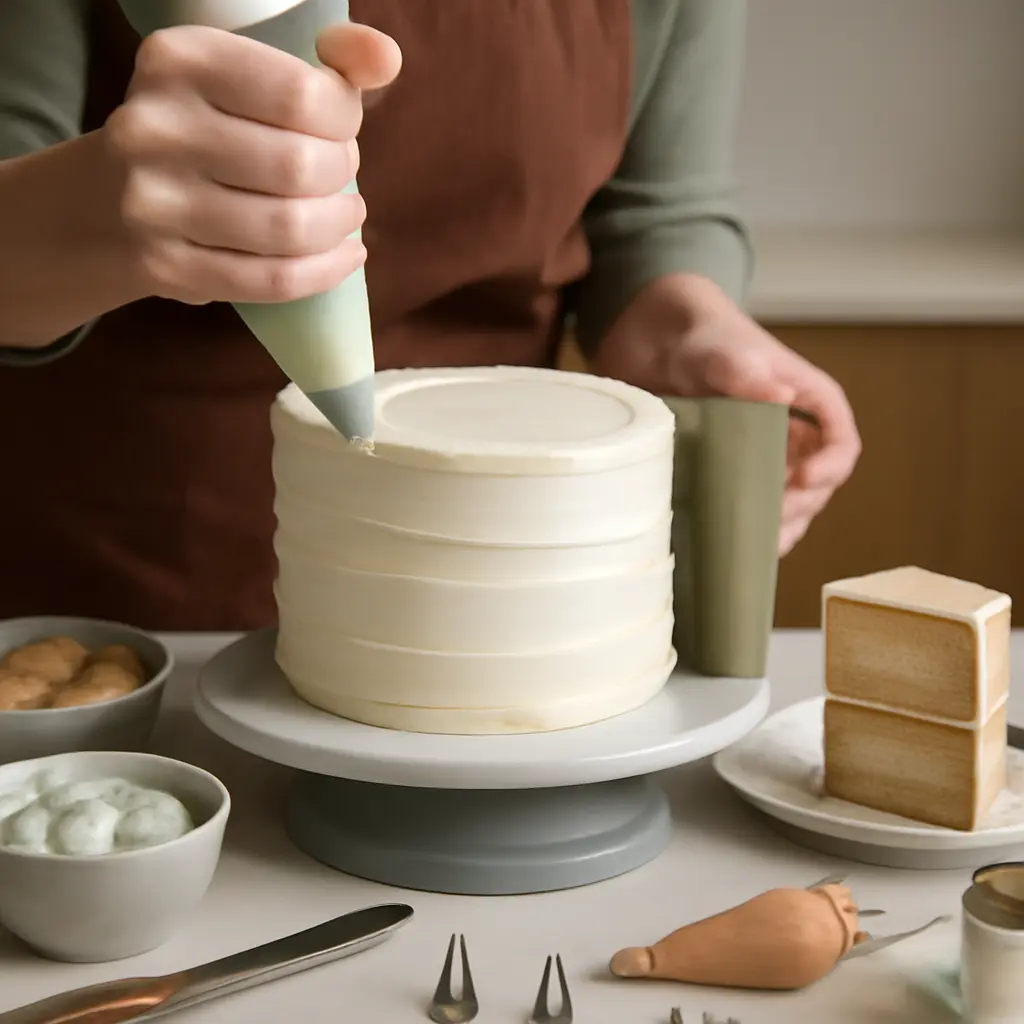
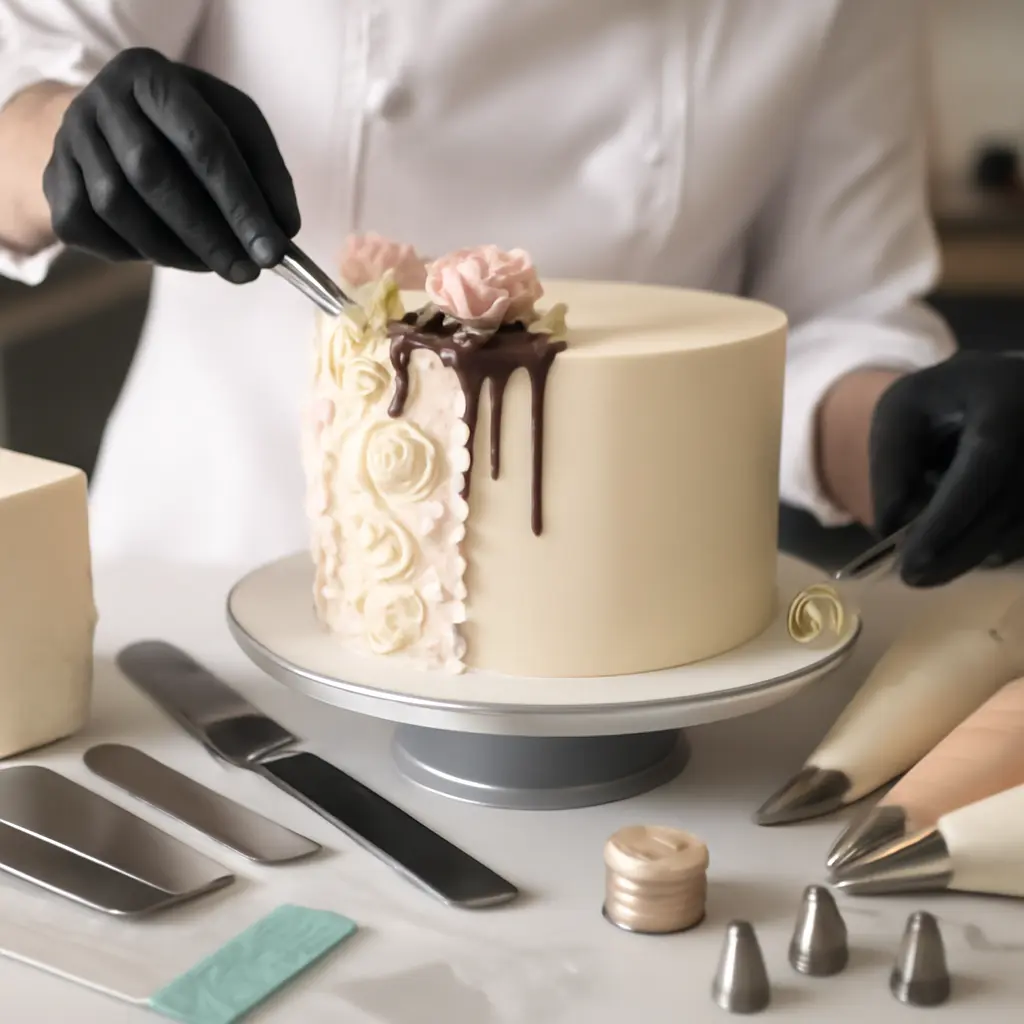
Social media has created an impression that stunning cakes demand a workshop full of specialized equipment. In truth, many professional decorators built their skills using remarkably basic tools. A bench scraper, an offset spatula, a turntable, and a handful of piping tips can produce results that rival elaborate setups costing hundreds of dollars.
The real investment that matters is practice time and technique. Just as a casino overview rating might reveal that a modestly designed platform outperforms a flashy competitor in the metrics that actually count, a baker with strong fundamentals and basic tools will consistently outperform someone with expensive equipment but poor technique. Focus your budget on quality ingredients — real butter, pure vanilla extract, and premium chocolate — before investing in gadgets.
- Offset spatula — essential for smooth frosting application
- Bench scraper — creates clean, sharp edges on buttercream
- Rotating turntable — enables even coating and smooth sides
- Piping bags and a basic tip set — covers borders, rosettes, and writing
- Parchment paper — prevents sticking and simplifies cleanup
Structural Myths and Baking Shortcuts
Myth 7: Cake Layers Must Be Perfectly Level Before Stacking
While level layers certainly make assembly easier, many bakers spend excessive time trimming and waste perfectly good cake in the process. A slightly domed layer is natural and expected — it happens because the edges of the batter set before the center, which continues to rise.
There are several approaches to managing domed layers that don't involve aggressive trimming. Baking strips wrapped around your pans insulate the edges and promote more even rising. Reducing your oven temperature by 25 degrees Fahrenheit also helps considerably. And for many cake styles, especially those with thick buttercream coatings, minor imperfections become completely invisible once the cake is frosted. A good evaluation process — whether for baking strategies or something like a casino overview rating for online platforms — focuses on outcomes, not on achieving theoretical perfection at every intermediate step.
Myth 8: Box Mix Cakes Can Never Match Scratch-Made Quality
This is perhaps the most divisive myth in the baking world. Purists insist that from-scratch is always superior, while pragmatic bakers have long known that a doctored box mix can produce results that even experienced tasters struggle to distinguish from fully homemade.
The secret lies in simple modifications: substitute butter for oil, use whole milk instead of water, add an extra egg yolk, and include a tablespoon of sour cream or mayonnaise. These swaps dramatically improve texture, moisture, and flavor. Many successful home baking businesses and even some professional bakeries use enhanced box mixes as their foundation because the consistency is unmatched — the commercial blend has been engineered and tested thousands of times for reliable results.
Myth vs. Fact — Quick Reference Guide
Below is a summary of every myth covered in this article along with a concise reality check and a final verdict to help you separate reliable advice from baking folklore.
| Myth | Reality | Verdict |
|---|---|---|
| Overmixing always ruins cake | Depends on flour type and mixing method | Mostly false |
| You must sift flour every time | Modern flour rarely needs sifting | Outdated |
| Opening the oven causes collapse | Only risky during the first half of baking | Exaggerated |
| Buttercream needs powdered sugar | Meringue-based versions use granulated sugar | False |
| Fondant always tastes bad | Homemade and premium fondant tastes great | False |
| You need expensive tools | Basic tools plus technique beats pricey gear | False |
| Layers must be perfectly level | Minor doming is normal and manageable | Exaggerated |
| Box mixes can never compete | Doctored mixes rival scratch recipes | False |
This table serves as a handy reference you can revisit whenever you encounter questionable advice. Treating baking tips with the same scrutiny you'd apply to a casino overview rating — checking sources, comparing experiences, and testing claims yourself — will save you countless failed batches and wasted ingredients over time.
How to Evaluate Baking Advice Going Forward
Now that we've dismantled these eight myths, the bigger question is: how do you tell good advice from bad advice in the future? The baking world generates enormous amounts of content daily, and not all of it is reliable or grounded in science.
Start by considering the source. Professional pastry chefs and food scientists provide more reliable guidance than anonymous social media posts. Look for advice that explains the reasoning behind the technique, not just the instruction itself. If someone tells you to never do something without explaining the mechanism, that's a red flag. Reliable information — whether baking guidance or a casino overview rating — always shows its reasoning and provides evidence for its conclusions.
Second, test advice in small batches before committing to it for an important project. Bake a half-recipe or a single test cupcake to verify a new technique. This scientific approach to baking, where you form a hypothesis and then test it, will make you a dramatically better baker over time and build genuine confidence in your skills.
Finally, engage with communities where constructive discussion is encouraged. A well-moderated cake forum where members share both successes and failures provides more valuable learning than a highlight reel of perfect cakes on social media. Ask questions, share your own results honestly, and learn from the collective experience of fellow bakers who are on the same journey.
Bake with Confidence, Not Superstition
Baking myths persist because they offer simple answers to complex questions. But as we've seen across all eight examples, the truth is almost always more nuanced — and far more empowering. Understanding why a technique works gives you the flexibility to adapt, troubleshoot, and innovate rather than rigidly following rules that may not even apply to your situation.
Whether you're a beginner baking your first layer cake or a seasoned decorator tackling a tiered showpiece, approaching each project with curiosity and critical thinking will serve you far better than memorizing a list of rigid dos and don'ts. Treat baking advice the way you'd treat a casino overview rating: examine the details, consider the context, verify the claims, and then make your own informed decision. Your cakes — and everyone fortunate enough to enjoy them — will be better for it.
Comments
I always thought opening the oven was basically a death sentence for my cakes. Tried checking at the 40-minute mark last weekend and nothing collapsed, so that one definitely got debunked for me firsthand.
I switched from American buttercream to Swiss meringue last year and honestly never looked back — the difference in texture and sweetness is night and day.
I switched from American buttercream to Swiss meringue a few months ago and honestly cannot go back. The difference in texture is night and day, way less sweet and it actually pipes so much cleaner.
Switched to butter for oil in my box mix last month and genuinely could not tell the difference from scratch — my family thought I had spent hours on it.
Switched from American buttercream to Swiss meringue last year and honestly cannot go back. The difference in texture alone is worth the extra effort.
I always assumed sifting was non-negotiable, but whisking dry ingredients together does seem to work just as well in practice.
Switched to Swiss meringue buttercream last year and there is genuinely no going back. The difference in texture compared to powdered sugar frosting is night and day, and it is not nearly as difficult to make as I assumed.
I always assumed sifting was non-negotiable, but now I realize I've been doing it out of habit more than necessity.
I always assumed sifting was non-negotiable, but it makes sense that modern flour is already consistent enough to skip it most of the time. Switching to a quick whisk through dry ingredients has honestly saved me so much time.
I always assumed the reverse creaming method was just for dense cakes, but learning it actually prevents gluten overdevelopment changes how I think about my whole mixing process.