
Introduction: Why Home Bakers Keep Secrets (and Why You Should Know Them)
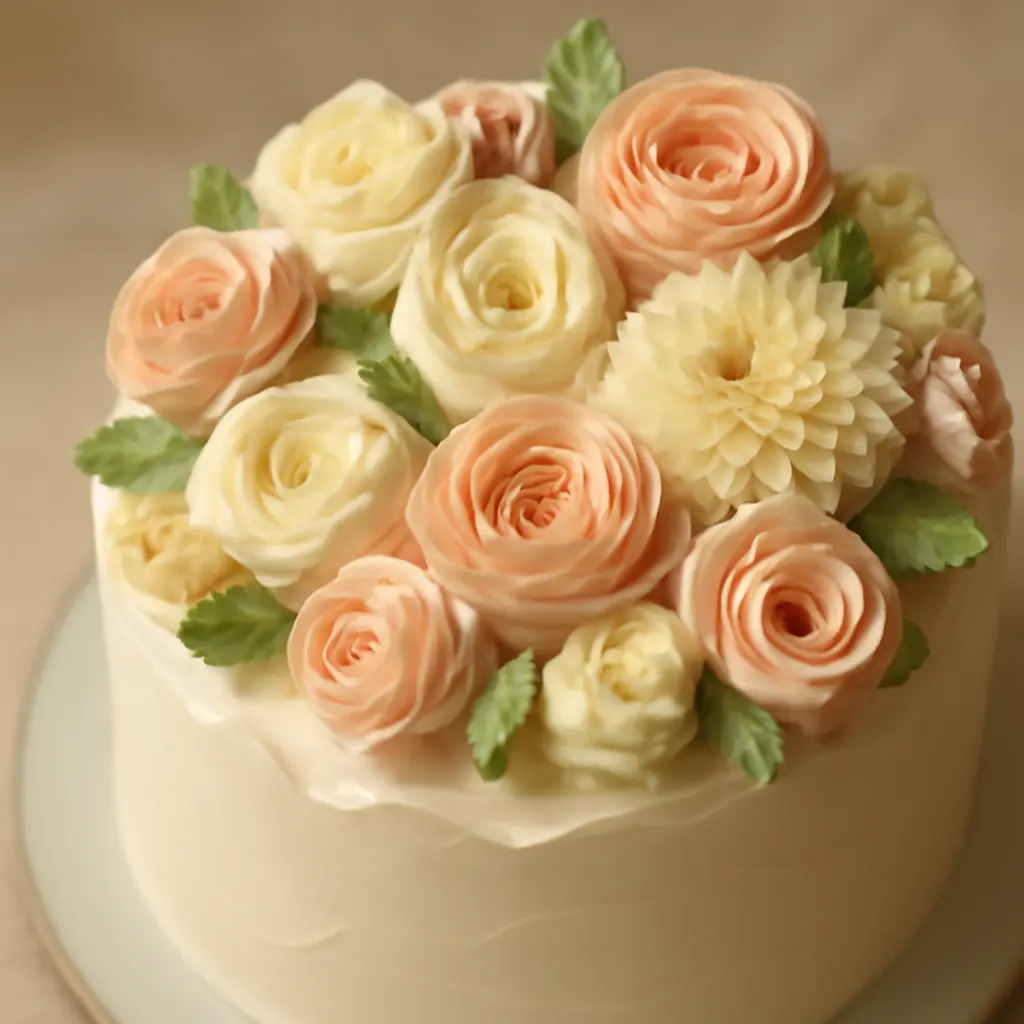
Every home baker has a handful of tricks they won't freely share on forums: the small hacks that make a cake look like it belonged in a bakery display. In this article we'll pull back the curtain on those hidden techniques, practical fixes, and productive habits so you can transform everyday bakes into stunning centerpieces. Along the way, I'll also show how forum conversations and even a Casino overview rating-style approach to comparisons can help you pick the best tools and supplies.
Common Problems Home Bakers Face (and Secret Workarounds)
From lopsided layers to buttercream that slides off, the most common problems are predictable — and most home bakers have a workaround that they rarely post publicly. Understanding these issues and how experienced home decorators solve them is the fastest route to consistent results. A surprising number of forum threads compare tools using a Casino overview rating mentality: weighing pros, cons, and trust indicators before choosing gear or ingredients.
Issue: Uneven Layers
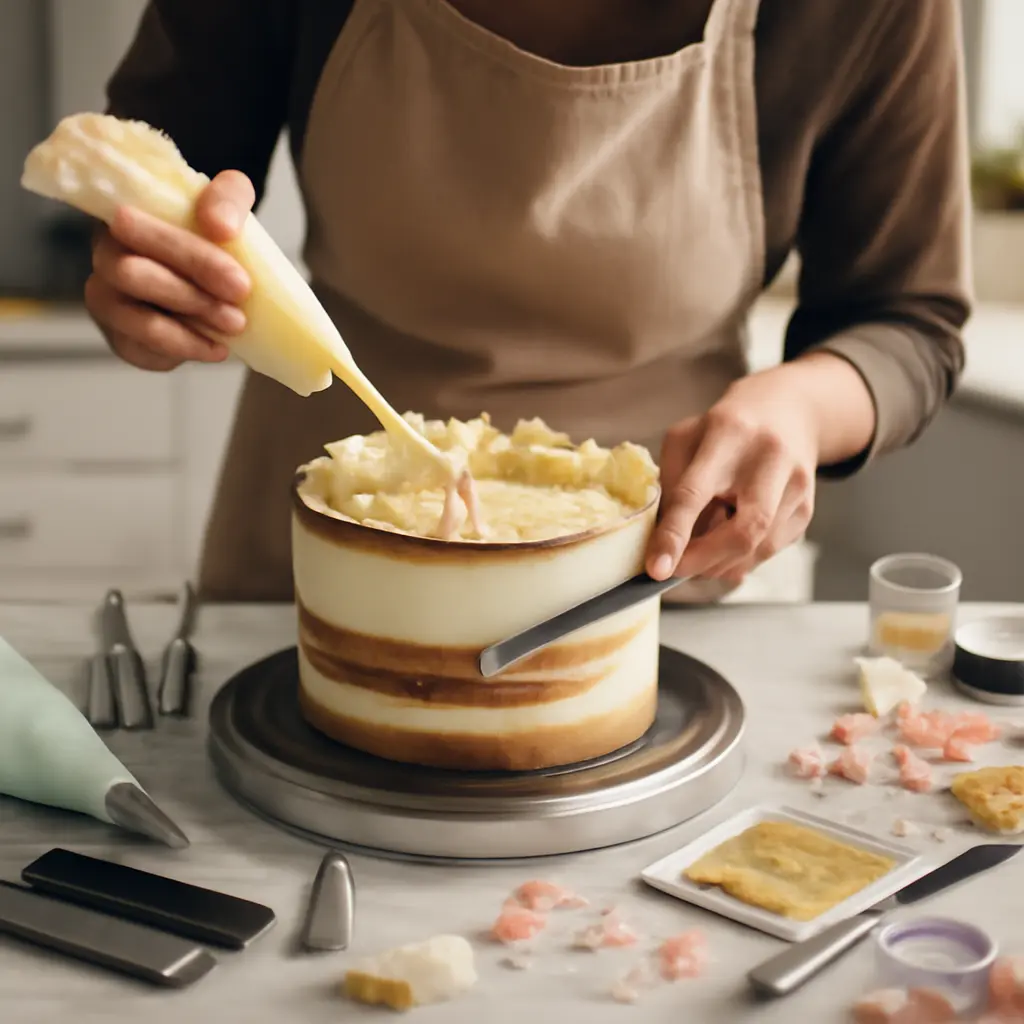
Many home bakers accept slightly uneven layers as inevitable. The secret? Use a combination of simple leveling and structural support. A thin crumb coat and a quick trim with an offset spatula can hide minor faults. Some forum members also recommend stacking the cake on a turntable and doing a slow spin while trimming to maintain accuracy — a trick that becomes invaluable when you want a flawless exterior.
Issue: Buttercream Too Soft
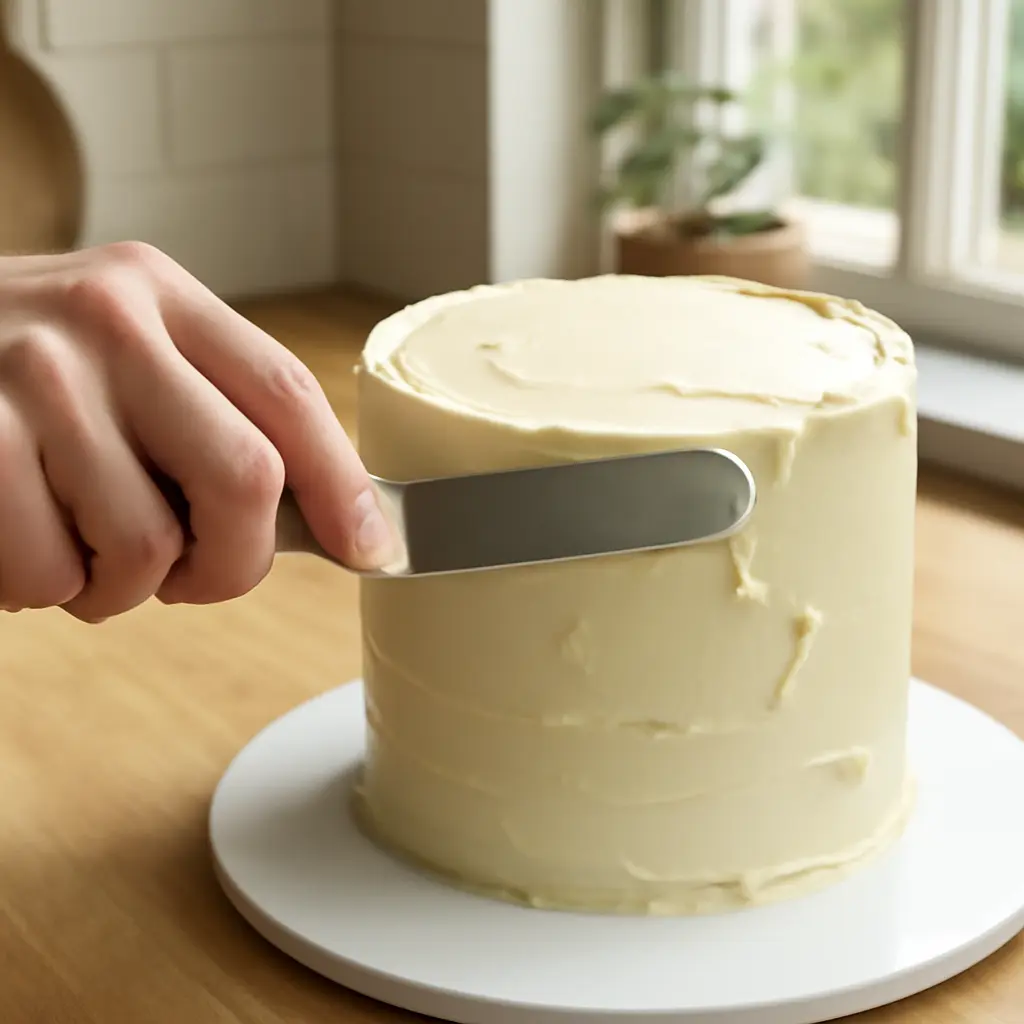
A common refrain is "my buttercream melts." The real secret is balancing temperature and technique: chill between steps, use a higher fat content butter when needed, and add short bursts of powdered sugar to adjust firmness. On forums, contributors often rate recipes with a quick Casino overview rating-style scale — durability, taste, and ease — to help novices choose a recipe that holds up in warmer kitchens.
Tools and Supplies: What Pros Use — and What Home Bakers Hide
Home bakers often accumulate tools over time. The difference between a good finish and a bakery finish is less about expensive gadgets and more about knowing which inexpensive tools matter. Many forum threads use a method similar to a Casino overview rating when recommending gear: they score items for reliability, cost, and ease of cleaning.
- Turntable: Smooth rotation is essential for steady smoothing.
- Bench scraper: For sharp edges and straight sides.
- Small palette knife: For precise touch-ups and fillings.
- Piping bags & tips: Quality matters more than quantity.
When you read forum recommendations, pay attention to the mini-reviews that mirror a Casino overview rating approach — short, comparative notes that cut through marketing and tell you what actually performs in a real kitchen.
A Practical Buying Strategy
Instead of buying everything at once, adopt an iterative approach: get the basic three tools, practice, then buy upgrades based on specific pain points. This mirrors how community members discuss their purchases in threads that often include informal Casino overview rating comparisons to speed decision-making.
Step-by-Step Techniques: Secrets That Make a Big Difference
Below are practical, replicable steps that many bakers keep private because they give a competitive edge in look and speed.
- Stabilize batters: Measure precisely and avoid overmixing to keep crumb tight and manageable.
- Cool fully, then wrap: Chill layers to firm up crumb before trimming or stacking.
- Thin crumb coat: Apply a thin layer of buttercream and chill for 15–30 minutes to lock crumbs.
- Final coat with a chilled cake: Use short bursts of chiller time to avoid smearing and sliding.
- Decorate with purpose: Build elements on parchment before placing them to reduce handling.
Forum contributions comparing finishes often borrow a Casino overview rating format — scoring steps by reliability and time — which helps new bakers prioritize which steps to perfect first.
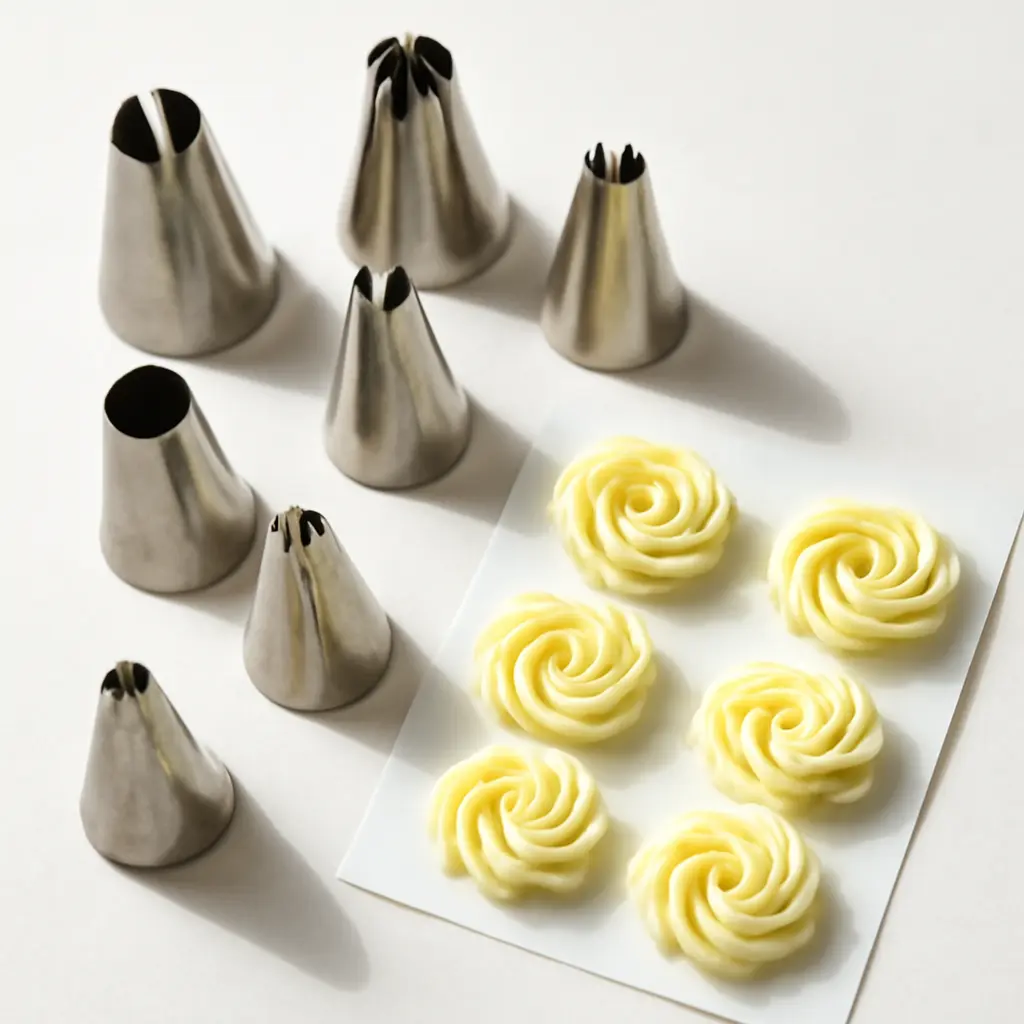
Practice pieces saved on parchment are a massive secret. They let you test colors and pressure before touching the cake. Many home decorators say this trick alone lifts their finish from amateur to refined.
Flavor vs. Structure: Balancing Taste and Stability
There’s a myth that delicate flavors and robust structure are mutually exclusive. They’re not. Choose filling and frosting components intentionally: stabilize whipped fillings with gelatin or pasteurized egg white powder when needed, and use concentrated flavorings to avoid adding excess liquid. Thread conversations regularly apply a scoring lens similar to a Casino overview rating to judge which flavor stabilizers give the best return on texture without sacrificing taste.
Quick Reference Table: Stabilizers and Their Effects
The table below summarizes common stabilizers, what they do, and when to use them.
| Stabilizer | Primary Effect | Best Use Case |
|---|---|---|
| Gelatin | Firms fillings | Cheesecake-style fillings, mousse layers |
| Egg white powder | Stabilizes whipped creams | Whipped buttercream and fillings |
| Cornstarch | Thickens fruit curds | Fruit fillings and sauces |
| Confectioners' sugar | Adds structure, sweetness | American buttercream adjustments |
Use this as a quick judge — similar to how forum users weigh options with a pseudo Casino overview rating — to decide which stabilizer to try first for a given problem.
Forum Etiquette and How to Find Real Secrets
Forums are treasure troves of tips, but you need a method to filter the noise. Look for detailed posts with photos, multiple confirmations in replies, and contributors who explain failures — those are the high-value threads. When readers on forums discuss gear or recipes, they often create quick ranked lists that resemble a Casino overview rating, which helps reveal consistent winners over time.
If you want deeper reading on why certain legacy methods fail and what to do instead, consult focused pieces like traditional rules that break down common pitfalls. That article is a concise complement to the practical tips here and helps reframe old assumptions with modern solutions.
How to Ask Smart Questions
When you post on a cake forum, include these details: oven model and temp behavior, recipe source, altitude, and photos in natural light. Ask targeted questions and reference any informal scoring (many call it a Casino overview rating) you've seen — contributors will often reply with exact times or measurements that match your environment.
Finishing Touches and Presentation Secrets
Presentation is about small, deliberate choices. Choose a color palette, limit elements to two or three focal points, and use negative space — empty frosting — intentionally. Many top posts on community threads use comparison-style comments that look like a Casino overview rating to decide whether a cake needs more texture or a simpler silhouette.
- Color harmony: Pick one dominant shade and one accent.
- Textural contrast: Smooth buttercream against matte fondant details.
- Serving plan: Decide cuts and portions to preserve presentation on display.
Conclusion: Bring Secrets Into Your Routine
Secrets only stay valuable if they’re used. Turn the techniques above into habits: practice piping on parchment, stabilize where necessary, and evaluate tools with a small comparative checklist inspired by a Casino overview rating. Use forums wisely — read confirmations, test in small batches, and gradually expand your toolset. With these methods you'll move from "home baker" to "confident decorator" without expensive shortcuts.
Finally, keep sharing your results. The best forum threads are reciprocal: what you reveal in return will likely be the very tip someone else needed. Apply a structured approach, and your cakes will reflect both taste and craft.



To leave a comment, please sign up or log in
Log in / Sign up